top of page


What Blue Light Does...
-
Helps regulate your circadian rhythm—your internal sleep-wake cycle
-
Boosts alertness and mental performance during the day
-
Influences your mood and memory
-
BUT ... it contributes to eye strain and interferes with sleep
-
At night, blue light exposure can suppress melatonin—
the hormone that makes you feel sleepy
-
Prolonged exposure may contribute to:
-
Digital Eye Strain
-
Headaches
-
Retinal issues: Macular Degeneration
-


How to Protect from Blue Light...
-
Blue light glasses are specially designed eyewear
-
They help by filtering out or blocking blue light emitted from digital screens, fluorescent and LED lighting.
-
They reduce eye strain and improve sleep quality
-
Especially great for people who spend long hours in front of screens.

What Blue Is...
-
Blue light is a high-energy, short-wavelength light
-
Part of the visible light spectrum
-
Ranges between about 400-455 nm placing it near ultraviolet light on the electromagnetic spectrum.
-
Produced by:
-
Digital screens: phones, computers, tablets, TVs
-
LED and fluorescent lighting
-
How Blue Light Affects the Body...
Here's a breakdown of how it influences different aspects of well-being:
🧠 Mental & Cognitive Effects
-
Nighttime exposure can suppress melatonin, the hormone that helps regulate sleep, leading to insomnia and disrupted circadian rhythms.
👁️ Eye Health
-
Prolonged exposure to blue light from screens may contribute to:
-
Digital eye strain (dry eyes, blurred vision, headaches)
-
Potential risk of macular degeneration and retinal damage over time, though more research is needed to confirm long-term effects
-
Children are especially vulnerable, as their eyes absorb more blue light than adults’
😴 Sleep Disruption
-
Blue light exposure in the evening delays melatonin release, making it harder to fall asleep and stay asleep
-
Even dim blue light—like a small LED indicator—can interfere with sleep quality
❤️ Chronic Health Risks
-
Some studies suggest links between nighttime light exposure and increased risks of:
-
Obesity
-
Diabetes
-
Heart disease
-
Breast and Prostate cancer
-
Ways to Protect Yourself from Blue Light:
-
Use blue light filters or night mode on devices
-
Wear blue-blocking glasses in the evening
-
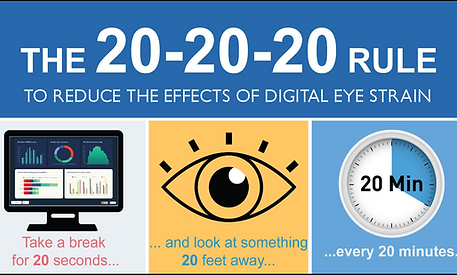
Follow the 20-20-20 rule:
-
Every 20 minutes
-
Look at something 20 feet away
-
For 20 seconds
-
-
Avoid screens 2–3 hours before bedtime
-
Otherwise, wear ORANGE lens glasses to induce sleep
-
Opt for dim amber lighting at night, which is less disruptive to sleep
Remove Blue Light from Screens:
-
How to remove blue light from computer displays:
-
iPad
-
iPhone
-
-
Go to:
-
Settings
-
Accessibility
-
Display & Text
-
Color Filter
-
Turn on
-
Pick the “red” tint
-
Move the scale up for less blue tint
-
-

-
References:
-
https://www.healthline.com/health/what-is-blue-light
-
https://www.psychologytoday.com/us/blog/psychiatry-and-sleep/202108/blue-light-has-an-apocalyptic-impact-on-sleep-and-human-health
-
https://www.health.harvard.edu/staying-healthy/blue-light-has-a-dark-side
-
https://health.ucdavis.edu/blog/cultivating-health/blue-light-effects-on-your-eyes-sleep-and-health/2022/08
-
https://www.webmd.com/eye-health/blue-light-health
-
-
Attend Dr. Nanda's Online Classes on Blue Light to learn how prolonged exposure may contribute to:
-
Digital Eye Strain
-
Headaches
-
Macular Degeneration
-
bottom of page